
It frustrates me when someone opens a discussion about contemporary feminist literature and proceeds to tell me that it is about time rebel fiction came into being.
Rebel fiction- what I am specifically addressing is rebel women in fiction. Female protagonists who break away from the traditional patriarchal moulds that society has coerced on them.
I mean I don’t completely disregard this opinion, it is just that feminism has more recently been thrown under a spotlight, with female liberation and gender equality gaining more focus than ever before. It has always existed – maybe it is simply because no one paid that much attention to it before.
With movements like #TimesUp, #Metoo and even #EffYourBeautyStandards in the 21st century, females globally are marrying together through the use of social media in order to make a change.
A lot contemporary novels now also include the themes of feminism and their protagonists are heroines for rebelling against the oppressions against womankind. A good example of this would be The Power by Naomi Alderman –a hype in the literary sphere.
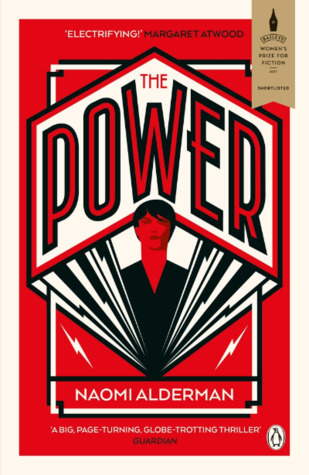
I remember the commute to work on the tube and seeing most ladies delving into the pages of the novel. It seemed to me that the underground was just mirage of the iconic red front cover with a woman standing proud completely isolated.
The Power screams dystopia and toys around with the conformist ideas of power between sexes. Women take over the world in this novel, they are given a power that is so exhilarating and terrifying and one that makes men tremble.
Yet let’s not forget the literary greats throughout time that also should have had the same effect on society. However the comparison is that society simply rejected the rebellion, dare I say that they just were not ready for it.
Lady Chatterley’s Lover by D.H Lawrence, is almost comical for the mentions of sexual intercourse within its pages. It’s no Fifty Shades of Grey yet at the time of open publishing in the UK in 1960 it caused controversy amongst society. Penguin books were taken to court for having the book published under the Obscene Publications Act 1959. The counsel’s opening address really rung through how pejorative British society was at the time. Mervyn Griffith-Jones opened by saying: “Would you approve of your young sons, young daughters – because girls can read as well as boys – reading this book? Is it a book you would have lying around your own house? Is it a book that you would even wish your wife or servants to read?”
Penguin went on to win the case and immediately sold millions of copies. However in the US, Canada, Australia, Japan and India the book was forbidden. Why did society have a huge disliking towards the book? Well apart from the illicit affair between an upper class woman and a working class man, it includes ‘explicit’ descriptions of sex and contained words that shouldn’t be published for the world to see.
Furthermore we all know words can influence. I can’t imagine the sheer horror for a patriarchal society to see an explicit novel encouraging a woman to explore the taboo word at the time – sex. Society was scared, they didn’t want their women to get carried away, to be encouraged in having affairs or even mixing with the wrong class. For that reason they had to hide this controversial novel and throw it on the fire along with other works that they condemned.
Society didn’t see an uprising surfacing from this trial – something that would be carried on throughout time and lead the way for rebel heroines. Phillip Larkin references the ban of Lady Chatterley’s Lover and marks the beginning of the revolt. The second wave of feminism would begin soon after this.
“Sexual intercourse began
In nineteen sixty-three
(which was rather late for me)
Between the end of the “Chatterley” ban”
Yet there has been more scandalous literature prior to this one. Going back all the way to the Seventeenth century, Aphra Behn steps out as a writer in the restoration era. Not only did she break barriers by becoming one of the first English women to earn money for writing. She also wrote numerous playwrights on the education of women, male impotence and she even acknowledged female sexual desire.
After she died her work was marginalised by society. He work was portrayed as lewd and in the 19th century women such as Matilda Betham (poet and letter writer) labelled Behn’s work as ludicrous and corrupt.
One of my favourite books is Tess of the d’Urbervilles by Thomas Hardy who also explored the barriers of female liberation through sexual discovery – the only difference is the protagonist is turned into an outcast, loses everything that she has and is exploited at the hands of the male species, all for losing her maidenhood. Even though the book is brilliant in depicting what it was like for women in the 19th century, it was also used as a lesson, a morale for women of the time to follow. It was an elaborate and wonderful disguise, the hidden meaning however was a warning to maidens of what would happen if they let their sexual desires get the better of them.
Rebels in fiction have always existed, they haven’t just surfaced in the twenty-first century. Regardless women that are depicted as rebels are done so to be a symbol – they are a symbol of a unity of women that won’t adhere to male constraints and conventions, be it in the 16th century or in the next twenty years. Rebel protagonist’s won’t simply disappear instead they will probably multitude, influencing readers, and challenging issues regarding sexism as they go along.
 Mishelle Thurai